A coating on your white tongue can appear suddenly and feel alarming, but in most cases, it is harmless, temporary, and treatable at home. This guide covers every key fact about white tongue: what causes it, how to treat it, and the warning signs that require a doctor’s attention.
By Ad Health Editorial Team | Medically Reviewed | Updated June 2026
What Is White Tongue?
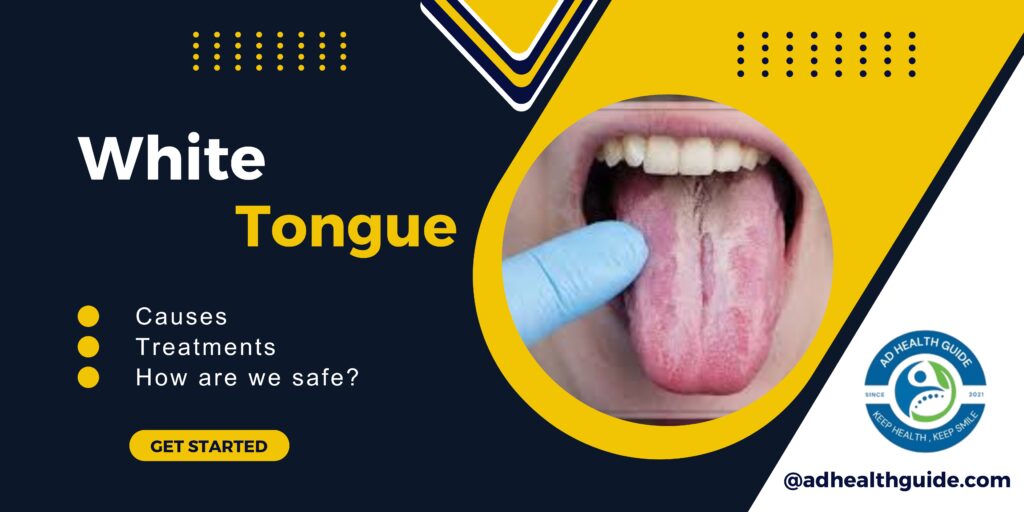
White tongue is a condition where a thick white or pale film coats part or all of the tongue’s upper surface. The coating may appear in patches, cover only the back of the tongue, or spread across the entire surface. It often comes with bad breath and an unpleasant taste in the mouth. Your tongue is covered with tiny raised bumps called papillae. When bacteria, food debris, and dead cells get trapped between these bumps and the papillae become inflamed, the surface turns white. This is usually caused by dehydration, poor oral hygiene, or lifestyle habits rather than a serious illness.
A white tongue is a symptom, not a disease. It typically clears up within a few weeks with simple home care. However, if it persists beyond three weeks or causes pain, a healthcare provider should evaluate it.
Why Is My Tongue White? Common Causes
Understanding the cause is the first step toward the right treatment. White tongue causes fall into two main categories: everyday lifestyle triggers and underlying medical conditions.
Lifestyle Causes of White Tongue
Poor oral hygiene is one of the most common reasons for white tongue. Not brushing, flossing, or scraping your tongue regularly allows bacteria and debris to build up on the surface. Dehydration also plays a major role. Drinking fewer than 8 glasses of water daily or consuming too much alcohol reduces saliva and promotes bacterial growth. Tobacco use in any form, including smoking, vaping, chewing, or dipping, irritates the tongue’s surface and worsens the condition significantly.
Antibiotics can also trigger white tongue by disrupting the normal balance of oral bacteria, which leads to yeast overgrowth (Candida) and a white coating. A diet low in fruits and vegetables and high in soft, processed foods contributes to debris buildup on the tongue. Breathing through the mouth reduces saliva flow and dries out the tongue, creating the ideal environment for bacteria to thrive. Ill-fitting dentures or injuries from sharp objects can also irritate and inflame the tongue surface.
Medical Conditions That Cause White Tongue
In some cases, white tongue signals an underlying health condition that requires proper diagnosis and treatment. Oral thrush is a fungal infection caused by Candida yeast overgrowth and is common after antibiotic use or in people with weakened immune systems. Geographic tongue creates patchy red areas with white borders and is more common in people with eczema, psoriasis, or Type 1 diabetes.
Leukoplakia involves thick white patches linked to heavy tobacco or alcohol use, and some patches carry a small risk of progressing to oral cancer. Oral lichen planus is a chronic inflammatory condition that causes white patches on the tongue, gums, and inner cheeks. Syphilis, a sexually transmitted infection, can also produce white patches in the mouth as one of its symptoms. In rare cases, persistent white patches that do not heal may indicate oral cancer and require immediate biopsy and medical evaluation.
Important: If you have a weakened immune system, HIV, or are undergoing cancer treatment and develop white tongue, seek medical attention promptly rather than waiting for it to resolve on its own.
How to Treat White Tongue at Home
For most people, white tongue resolves with consistent self-care. Start by drinking at least 8 glasses of water daily to keep saliva production healthy and flush debris off the tongue. Brush your teeth twice daily using a soft-bristled toothbrush and mild fluoride toothpaste, and make it a habit to scrape or brush your tongue every morning to physically remove the white coating.
Using an alcohol-free fluoride mouthwash helps reduce bacteria without drying the mouth further. Stopping or reducing tobacco use is one of the most important steps you can take, as cigarettes, vapes, and chewing tobacco all worsen white tongue significantly. Limiting alcohol to one drink per day or less also helps because alcohol dehydrates the mouth and slows saliva production.
Eating more raw fruits and vegetables supports recovery because chewing these foods naturally cleans the tongue surface. Avoid spicy, acidic, salty, or very hot foods during this time as they can irritate an already inflamed tongue. If your white tongue is causing mild pain or discomfort, over-the-counter pain relievers can help manage symptoms while your tongue heals.
Medical Treatments for White Tongue
When home care is not enough, or when white tongue is caused by a specific condition, a doctor will prescribe targeted treatment. For oral thrush, antifungal medications such as fluconazole (Diflucan) or nystatin (Nystop) are prescribed to eliminate the Candida infection. If syphilis is the underlying cause, penicillin antibiotics are used to treat the bacterial infection responsible for the oral symptoms.
For oral lichen planus, steroidal mouthwashes or steroid sprays help manage burning, soreness, and persistent white patches. Leukoplakia patches that carry a cancer risk may be surgically removed using a scalpel, laser, or cryotherapy to prevent progression to oral cancer. Geographic tongue does not require a cure but is managed by avoiding trigger foods and using antifungal rinses to soothe discomfort and reduce symptoms over time.
When to See a Doctor for White Tongue
Not every case of white tongue requires a clinic visit. If the white coating appeared recently within two weeks, there is no pain or burning, you have no difficulty eating or speaking, and no other symptoms are present, you can safely monitor it at home with improved oral hygiene and hydration.
However, you should see a doctor promptly if the white tongue persists longer than two to three weeks, if your tongue is painful, burning, or itchy, or if you have difficulty eating, speaking, or swallowing. People with a weakened immune system or HIV should not wait and should seek evaluation immediately. If white patches are hardened, thickened, or will not wipe off, that is a serious warning sign that needs urgent professional attention.
Schedule a dentist appointment if your white tongue recurs frequently, even if it seems mild. Early detection of leukoplakia or oral cancer dramatically improves treatment outcomes.
How to Prevent White Tongue
Prevention is simpler than most people realise and comes down to consistent daily habits. Brushing your teeth at least twice daily, flossing every day, and scraping your tongue each morning removes the bacteria and debris that cause white tongue before they have a chance to build up. Staying well-hydrated throughout the day is equally important. Carry a water bottle and limit caffeine and alcohol intake, as both contribute to oral dryness.
Visiting your dentist every six months for professional cleaning allows your provider to spot any oral abnormalities early, including leukoplakia or pre-cancerous changes. Eating fresh fruits and vegetables daily supports tongue health because their natural texture cleans the surface and their nutrients strengthen your immune system. Avoiding all forms of tobacco, whether smoked, vaped, or chewed, is one of the most powerful steps you can take to protect your oral health long-term.
Conclusion
White tongue is almost always harmless and temporary. In the majority of cases, improved oral hygiene, better hydration, and small lifestyle changes clear it up within a few weeks. However, persistent, painful, or recurring white tongue is your body signalling that something needs professional attention. If you are unsure about a white coating on your tongue, especially one that does not go away, do not ignore it. A quick visit to your dentist or doctor can rule out serious conditions and get you on the right treatment path fast.
Frequently Asked Questions About White Tongue
Is white tongue contagious?
No, white tongue caused by poor hygiene or dehydration is not contagious. However, oral thrush caused by Candida can sometimes be passed through kissing or sharing utensils, so it is worth being cautious if a fungal infection has been diagnosed.
Does white tongue mean I am seriously ill?
Not usually. Most cases are caused by everyday factors like dehydration or skipping tongue cleaning. It becomes a genuine concern only when it persists beyond a few weeks or is accompanied by pain, difficulty swallowing, or a compromised immune system.
Can tongue piercings cause white tongue?
Yes. A white coating after a new tongue piercing is a normal part of the healing process due to bacterial growth at the site. Rinsing with antifungal mouthwash such as nystatin helps reduce it. A white ring of tissue around the piercing is also a completely normal healing response and not a cause for alarm.
How long does white tongue last?
With good oral hygiene and adequate hydration, white tongue typically clears within two to four weeks. Infection-related white tongue, such as oral thrush, usually resolves within 1 to 2 weeks after starting the prescribed antifungal medication.
Can white tongue cause bad breath?
Yes. Bacteria and food debris trapped between swollen papillae are a primary cause of bad breath, also known as halitosis. Treating white tongue with regular tongue scraping, hydration, and brushing also significantly improves breath odour.
What does white tongue look like with oral cancer?
Oral cancer-related white patches typically do not wipe off and may appear thickened or hardened. They persist for weeks without change and often appear on the sides of the tongue or the floor of the mouth. Any non-healing white patch lasting more than three weeks should be evaluated by a dentist or doctor without delay.