
Psoas muscle pain is one of the most overlooked sources of persistent lower back and hip discomfort. Many individuals experiencing deep aching in the lumbar spine, groin tightness, or stiffness when standing after long periods of sitting may actually be dealing with irritation of the psoas major muscle. Because this muscle sits deep within the body and connects the lower spine to the femur, its dysfunction can mimic other common conditions, including disc-related pain or hip joint issues. For beginners, educational readers, and industry professionals alike, understanding the mechanics behind psoas muscle pain is essential for accurate identification and long-term relief.
What is the Psoas Major Muscle?
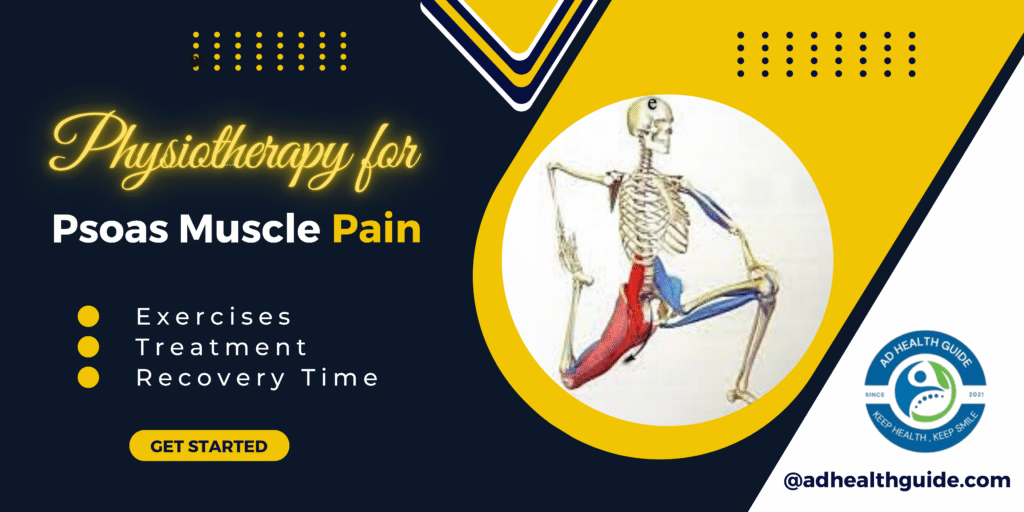
The psoas major muscle is a deep core muscle that originates from the lumbar vertebrae and inserts into the femur. It plays a crucial role in hip flexion, posture, spinal stabilization, and efficient walking mechanics. Every time you lift your knee, climb stairs, or transition from sitting to standing, the psoas is active.
Because it directly links the spine to the legs, dysfunction in this muscle can influence both lower back alignment and hip mobility. This anatomical connection explains why psoas major muscle pain often feels complex and difficult to pinpoint.
Psoas Muscle Pain Location: Where It Typically Presents
One of the most common questions is about psoas muscle pain location. Unlike surface muscle strains, the discomfort is usually felt deep within the body.
Pain may appear in the lower back, often on one side of the spine. It may also be felt in the front of the hip, groin, or upper thigh. Some individuals describe it as a dull internal ache, while others report tightness when extending the leg behind the body.
Because the psoas runs from the lumbar spine through the pelvis to the femur, its referral pattern overlaps with other musculoskeletal structures. This overlap is why psoas muscle pain is sometimes mistaken for sacroiliac dysfunction, lumbar disc irritation, or hip joint pathology.
Common Causes of Psoas Muscle Pain
Psoas muscle pain usually develops gradually rather than from sudden trauma. Several lifestyle and movement factors contribute to its irritation. Prolonged sitting is one of the primary causes. When the hips remain flexed for hours at a time, the muscle adapts to a shortened position. Over time, this shortening increases tension and reduces flexibility.
Athletic overuse is another factor. Runners, cyclists, and dancers frequently engage the hip flexors. Without proper strength balance and recovery, the psoas can become overworked. Core weakness and gluteal underactivation also contribute. When surrounding muscles fail to stabilize the pelvis and spine effectively, the psoas compensates. Chronic compensation leads to fatigue and discomfort.
Recognizing Symptoms of Psoas Major Muscle Pain
Symptoms often include stiffness in the lower back upon waking, discomfort when lifting the knee, tightness in the groin, or pain during long strides. Many individuals notice increased discomfort after extended sitting and temporary relief with gentle movement.
A key indicator of psoas involvement is pain during hip extension, such as when stepping backward, combined with tightness in the front of the hip. However, because symptoms can overlap with other conditions, professional evaluation may be necessary if pain persists.
Psoas Muscle Pain Relief: A Balanced Approach
When discussing psoas muscle pain relief, stretching alone is rarely sufficient. Sustainable improvement requires a combination of mobility work, strengthening exercises, and movement correction. Gentle mobility exercises help reduce initial tension. Controlled hip flexor stretches performed with a slight posterior pelvic tilt can safely lengthen the muscle without straining the lower back. However, aggressive stretching without stability often worsens irritation.
Strengthening the posterior chain is equally important. Exercises such as glute bridges help counteract anterior pelvic tilt and reduce reliance on the psoas. Core stabilization drills, including controlled supine movements like the dead bug exercise, improve spinal alignment and muscular balance. Breathing mechanics also play a role. The psoas has fascial connections to the diaphragm, meaning shallow breathing patterns may increase tension. Incorporating diaphragmatic breathing into rehabilitation routines can support overall muscle relaxation and control.
Effective Psoas Muscle Pain Relief Exercises
Psoas muscle pain relief exercises should focus on control and balance rather than intensity. A modified kneeling hip flexor stretch, performed gently and held for 20 to 30 seconds, is often beneficial. Glute bridges strengthen the hips while promoting pelvic stability. Controlled standing marches retrain proper hip flexion mechanics without excessive spinal extension.
Consistency matters more than force. Performing these exercises regularly yields better results than occasional high-intensity stretching sessions.
When to Seek Professional Evaluation
If pain persists beyond several weeks, worsens with activity, or includes numbness or radiating symptoms, medical evaluation is important. Chronic psoas major muscle pain may coexist with deeper structural issues that require guided rehabilitation. Educational resources from reputable platforms such as physiopedia.com can provide anatomy-based insights, but they should complement—not replace—professional assessment when symptoms are significant.
Prevention Strategies for Long-Term Relief
Preventing psoas muscle pain involves addressing daily habits. Taking movement breaks every 30 to 60 minutes reduces chronic hip flexion. Balanced strength training programs that include glute activation, core stabilization, and hip mobility exercises support long-term spinal health. Postural awareness is equally important. Avoiding excessive lumbar arching and maintaining neutral pelvic alignment during standing and lifting can significantly reduce strain.
From an industry standpoint, the increase in psoas-related complaints reflects modern sedentary lifestyles and imbalanced training routines. Education around functional movement patterns is becoming increasingly important in both rehabilitation and performance settings.
Conclusion: Restoring Balance to Relieve Psoas Muscle Pain
Psoas muscle pain may not always be obvious, but it significantly impacts posture, mobility, and daily comfort. Because the psoas major muscle connects the spine to the legs, even minor dysfunction can disrupt movement patterns. For beginners, understanding psoas muscle pain location and early warning signs helps prevent chronic issues. For professionals, combining mobility, strength, and movement retraining offers measurable improvements in patient and client outcomes.
True relief does not come from quick fixes. It comes from restoring balance between flexibility and stability, reducing prolonged sitting, and reinforcing proper movement mechanics. With consistent attention and evidence-based strategies, most individuals can successfully reduce psoas muscle pain and return to efficient, pain-free function.
Where is psoas muscle pain located?
Psoas muscle pain location typically includes the deep lower back, front of the hip, groin, or upper thigh. The discomfort often feels internal rather than surface-level.
What are the best psoas muscle pain relief exercises?
Effective exercises include gentle hip flexor stretches, glute bridges, core stabilization drills, and controlled standing marches. A combination of mobility and strengthening provides the best outcomes.
How long does psoas muscle pain take to improve?
Mild cases may improve within a few weeks with consistent corrective exercises. Chronic cases may require several months of structured rehabilitation.
Can sitting cause psoas major muscle pain?
Yes. Prolonged sitting shortens the muscle and increases tension, making it one of the most common contributing factors.