Overview of Low Back Pain
Low back pain is one of the most common health problems in the world, and it doesn’t just affect older adults. It can impact anyone, including students, young professionals, and athletes. Whether you’re dealing with a sudden, sharp pain or a dull ache that lingers, low back pain can be incredibly frustrating. The good news is that many cases can be treated with simple home remedies, lifestyle changes, and targeted exercises.
We’ll cover what causes low back pain, how to treat it, and what you can do to avoid it in the future. We’ll also share easy-to-follow tips for students and anyone seeking simple, practical ways to relieve pain and improve posture.
Ready to learn how to get rid of that aching back? Let’s dive in!
What is Low Back Pain?
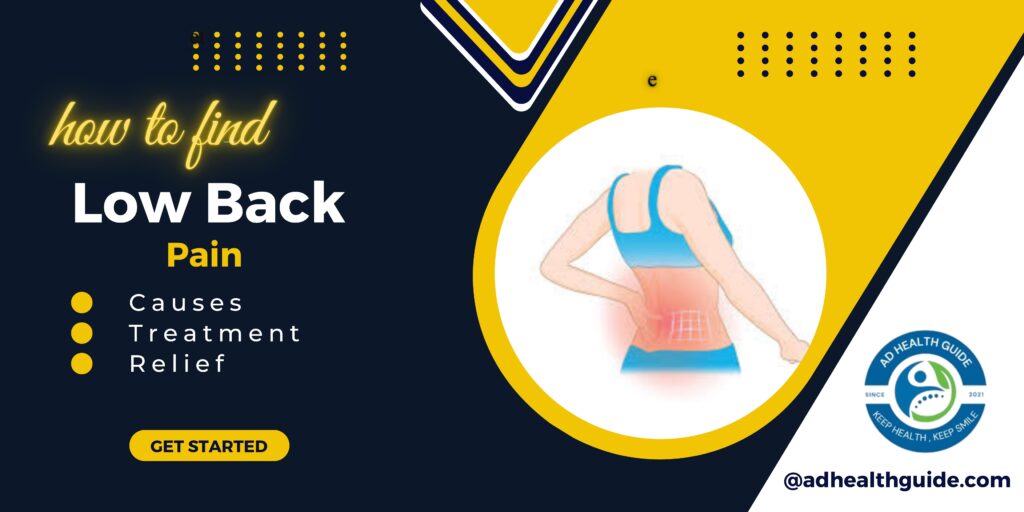
Low back pain refers to discomfort in the lower back, the area between your ribs and your legs. It can come on suddenly or develop over time, and it may be mild, moderate, or severe. Many people experience this type of pain at some point in their lives, especially those who sit for long periods, like students or office workers.
Types of Low Back Pain:
- Acute Pain: This type of pain happens suddenly and lasts for a short period (usually a few days to a few weeks). It’s often caused by muscle strain or a sudden movement, such as lifting something heavy or twisting awkwardly.
- Chronic Pain: Pain that lasts for more than three months is considered chronic. Ongoing conditions like arthritis, nerve compression, or spinal misalignment can cause it.
- Sciatica: If the pain travels down your leg, it could be sciatica, which is often caused by a herniated disc pressing on a nerve.
Common Symptoms:
- Dull ache or sharp pain in the lower back
- Stiffness that makes it difficult to bend or move
- Radiating pain that travels down one or both legs (sciatica)
- Numbness or tingling in the legs or feet
What Causes Low Back Pain?
There are many different causes of low back pain, but some are more common than others. Understanding the cause of your pain is key to finding the proper treatment.
1. Muscle Strain
Muscle strain is a common cause of low back pain, occurring when the back muscles are overstretched or torn. This can happen if you lift something too heavy, twist awkwardly, or overuse your muscles. If you feel sudden pain after bending or lifting, it’s likely a strain.
2. Poor Posture
Sitting or standing with bad posture puts unnecessary stress on your back muscles. Over time, poor posture can lead to chronic back pain, especially if you’re sitting at a desk for long periods (which is very common for students). Slumping or leaning forward can make your spine curve unnaturally, leading to muscle tightness and discomfort.
3. Herniated Discs
Your spine is made up of vertebrae, and between these bones are soft, gel-like discs that act as cushions. A herniated disc happens when the outer part of the disc ruptures, causing the inner gel to leak out. This can press on nearby nerves, causing pain that can radiate down your legs (sciatica). It’s more common in older adults but can happen at any age.
4. Spinal Stenosis
Spinal stenosis occurs when the spaces in your spine narrow, putting pressure on the nerves. It’s often caused by arthritis or spinal wear and tear. The pain is usually worse when standing or walking and may feel like your legs are weak or heavy.
5. Lifestyle Factors
Things like sitting for too long, carrying heavy backpacks (especially common for students), or not getting enough exercise can all contribute to low back pain. It’s easy to fall into habits that strain the back, especially when we’re studying or sitting for hours.
How to Relieve Low Back Pain Naturally?
Relieving low back pain doesn’t always require medication or surgery. Many simple treatments can provide relief and help you manage pain naturally and effectively.
1. Stretch and Strengthen Your Back
Exercise is one of the best ways to relieve low back pain and prevent it from coming back. Here are a few simple stretches you can do every day:
- Knee-to-chest stretch:
- Lie on your back with your knees bent.
- Gently pull one knee towards your chest and hold for 30 seconds.
- Repeat with the other leg.
- Cat-Cow Stretch:
- Start on your hands and knees, with your wrists directly under your shoulders and knees under your hips.
- Slowly arch your back towards the ceiling (cat pose), then dip your spine towards the floor (cow pose).
- Repeat 10-15 times.
- Child’s Pose:
- Sit back on your heels, knees wide apart.
- Stretch your arms forward and lower your forehead to the floor.
- Hold for 30 seconds, breathing deeply.
Strengthening your core muscles (abdomen, lower back, and hips) can also help prevent back pain by providing better support for your spine. Simple exercises like planks, side planks, and bird-dogs can help strengthen these muscles.
2. Posture and Ergonomics
Good posture is essential, especially for students who spend a lot of time sitting at desks. Here are a few quick tips for sitting with good posture:
- Sit all the way back in your chair, with your feet flat on the floor and knees at a 90-degree angle.
- Make sure your desk and computer screen are at eye level to avoid leaning forward.
- Avoid slouching or sitting for too long. Take breaks every 30 minutes to stand, stretch, and move around.
3. Heat and Ice Therapy
Ice can help reduce inflammation in the first 48 hours after an injury. After that, heat therapy can help relax muscles and improve blood circulation. You can alternate between ice and heat or use them as needed.
4. Use Over-the-Counter Pain Relievers
Nonprescription pain medications such as ibuprofen or acetaminophen can help manage pain in the short term. However, it’s best not to rely on them for long periods. Always follow the dosage instructions on the label.
5. Stay Active
Even if you’re in pain, it’s essential to stay active. Light activities like walking or swimming can help prevent muscle stiffness and improve flexibility. Avoid complete bed rest, as it can worsen the pain.
How to Prevent Low Back Pain?
Preventing low back pain is all about making minor changes to your daily habits and lifestyle. Here’s how you can reduce the risk of developing or re-injuring your lower back:
1. Strengthen Your Core
Your core muscles support your spine. By strengthening these muscles, you can provide better support for your back. Try exercises like bridges, planks, and superman lifts to strengthen your core.
2. Maintain Good Posture
Always be mindful of your posture. Keep your shoulders back, your back straight, and your head aligned with your spine, whether sitting, standing, or walking. Good posture reduces strain on your back.
3. Avoid Heavy Lifting
When lifting heavy objects, always bend your knees and lift with your legs, not your back. Avoid twisting your body to lift something. Instead, turn your whole body, keeping your feet planted to prevent injury.
4. Take Frequent Breaks
If you’re studying for long hours or sitting for extended periods, take breaks. Stand up, stretch, and move around every 30 minutes. This will help avoid stiffness and reduce pressure on your lower back.
5. Sleep Smart
Sleep on your side with a pillow between your knees or on your back with a pillow under your knees to maintain the natural curve of your spine.
FAQs
1. What is the best way to sleep to avoid back pain?
Sleeping on your side with a pillow between your knees is usually the best position to avoid straining your lower back. If you prefer sleeping on your back, placing a pillow under your knees can help keep your spine in a neutral position.
2. Can sitting too long cause low back pain?
Yes, sitting for long periods without proper posture can strain your lower back. It’s essential to take breaks, stretch, and make sure your workspace is ergonomically friendly.
3. How long should I rest if I have low back pain?
While resting for a day or two can help, complete bed rest isn’t recommended. Light activity, like walking or gentle stretching, is actually better for your recovery.
Conclusion
Low back pain can be uncomfortable, but with the proper treatment and preventive measures, you can reduce pain and keep it from coming back. By maintaining good posture, staying active, and practicing regular stretching and strengthening exercises, you can keep your back healthy and pain-free.
If your pain persists or worsens, be sure to consult with a healthcare professional to rule out any underlying conditions. You don’t have to live with back pain—take action today to feel better tomorrow!