H1: Dental Bridge Croydon: Everything You Need to Know Before Treatment
A dental bridge Croydon patients choose is often the simplest and most reliable way to replace one or more missing teeth without the longer treatment timeline associated with implants. Whether you’re a patient exploring restorative options, a dental student researching prosthodontic treatments, or a professional evaluating case studies for your practice, iCare dental Croydon guide breaks down everything you need to know about dental bridges — from types and costs to aftercare and long-term durability.
Missing teeth affect more than just appearance. They can change how you chew, speak, and even how your remaining teeth shift over time. A dental bridge Croydon addresses these issues by “bridging” the gap between healthy teeth, restoring both function and confidence in your smile.
What Is a Dental Bridge?
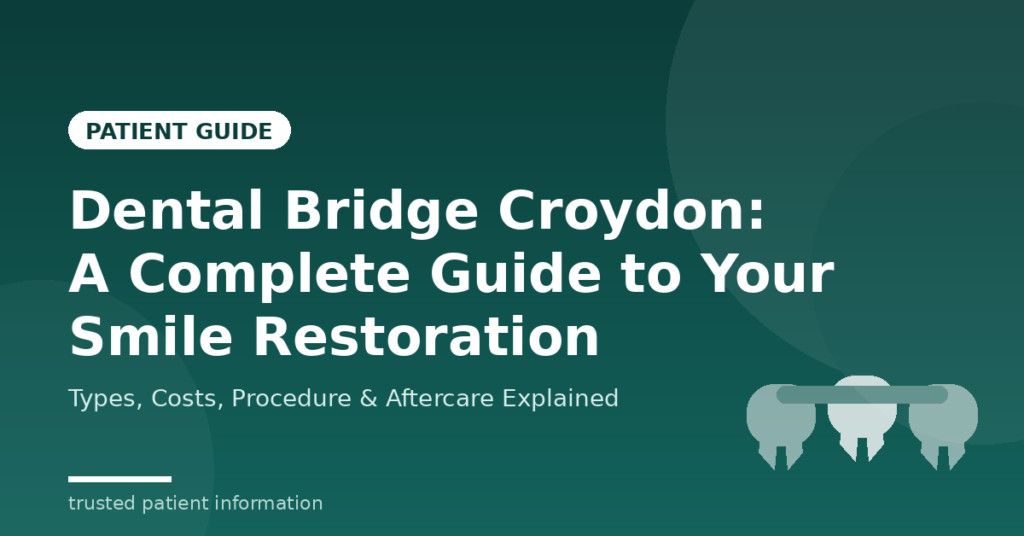
A dental bridge is a fixed prosthetic device used to replace one or more missing teeth by anchoring an artificial tooth (called a pontic) to the adjacent natural teeth or dental implants. Unlike removable dentures, a bridge is permanently cemented in place, offering a stable and long-lasting solution for tooth loss.
Dentists in Croydon commonly recommend bridges for patients who have healthy teeth on either side of the gap, as these teeth serve as anchors — known as abutment teeth — that support the entire structure. The result is a natural-looking restoration that blends seamlessly with your existing smile.
Types of Dental Bridges
Understanding the different types of dental bridges helps patients make informed decisions alongside their dentist. Each option suits different clinical situations, budgets, and long-term goals.
Traditional Bridges The most common type, traditional bridges use dental crowns on both sides of the gap to hold the pontic in place. They are strong, durable, and suitable for most patients with healthy abutment teeth.
Cantilever Bridges These are used when only one healthy tooth is available on one side of the gap. While effective, cantilever bridges are generally reserved for front teeth, where biting force is lower.
Maryland Bonded Bridges Also called resin-bonded bridges, these use a metal or porcelain framework bonded to the back of adjacent teeth instead of full crowns. This conservative approach preserves more of the natural tooth structure.
Implant-Supported Bridges Rather than relying on natural teeth, these bridges are anchored to dental implants. They are particularly useful when multiple teeth are missing in a row and offer excellent long-term stability.
Dental Bridge Cost Croydon: What Influences the Price?
One of the most common questions patients ask is about dental bridge cost Croydon clinics typically charge. Pricing varies depending on several factors:
-
- The type of bridge chosen (traditional, cantilever, Maryland, or implant-supported)
-
- The number of teeth being replaced
-
- The materials used, such as porcelain-fused-to-metal or all-ceramic
-
- Whether additional procedures like extractions or bone grafting are required
-
- The experience and reputation of the dental practice
While private dental bridges in the UK generally range from a few hundred to over a thousand pounds per unit, it’s important to request a personalised quote from a registered dentist after a full clinical assessment. Costs can vary significantly based on individual case complexity, so an in-person consultation remains the most accurate way to determine pricing.
Dental Bridge vs Implant: Which Option Is Right for You?
Patients often weigh dental bridge vs implant options before committing to treatment, and the right choice depends on individual circumstances rather than a one-size-fits-all answer.
Dental bridges are typically faster to complete, often requiring just two to three appointments, and tend to be more affordable upfront. They rely on the strength of neighbouring teeth, which means those teeth need to be reshaped to accommodate crowns.
Dental implants, on the other hand, replace the tooth root itself, which helps preserve jawbone density over time. They don’t require altering adjacent healthy teeth but involve a longer treatment process, often spanning several months, and generally come with a higher initial cost.
For patients with healthy adjacent teeth seeking a quicker, cost-effective solution, a bridge is often ideal. For those prioritising long-term bone health and independent tooth replacement, an implant may be more suitable. A qualified dentist can assess your oral health, bone density, and personal preferences to recommend the best path forward.
The Dental Bridge Procedure Explained
Understanding the dental bridge procedure explained step-by-step can ease any anxiety about treatment and help patients know what to expect at each stage.
Step 1: Initial Consultation and Assessment Your dentist examines the gap, evaluates the health of surrounding teeth, and may take X-rays to assess bone structure and root health.
Step 2: Preparing the Abutment Teeth For traditional bridges, the adjacent teeth are reshaped to make room for crowns. This involves removing a portion of enamel to ensure a proper fit.
Step 3: Taking Impressions Impressions or digital scans of the prepared teeth are taken and sent to a dental laboratory, where the custom bridge is fabricated.
Step 4: Temporary Bridge Placement While the permanent bridge is being made, a temporary bridge protects the exposed teeth and gums.
Step 5: Fitting the Permanent Bridge Once ready, the permanent bridge is checked for fit, bite alignment, and appearance before being permanently cemented into place.
The entire process typically spans two to three visits over a few weeks, depending on laboratory turnaround times and individual case complexity.
How Long Do Dental Bridges Last?
A frequent concern among patients is how long do dental bridges last with proper care. On average, a well-maintained dental bridge can last between 10 and 15 years, and in some cases even longer with excellent oral hygiene and regular dental check-ups.
Several factors influence the lifespan of a bridge, including the material used, the health of the abutment teeth, and daily oral care habits. Porcelain-fused-to-metal bridges tend to be highly durable, while all-ceramic options offer superior aesthetics with slightly more caution needed around biting force.
To extend the life of your bridge, dentists recommend:
-
- Brushing twice daily with fluoride toothpaste
-
- Using floss threaders or interdental brushes to clean beneath the pontic
-
- Attending routine dental check-ups every six months
-
- Avoiding excessive force on the bridge, such as chewing very hard foods
Why Choose a Local Dentist for Your Dental Bridge in Croydon
Choosing a dental bridge Croydon provider who understands your specific dental history offers advantages beyond convenience. Local dentists can provide continuity of care, faster follow-up appointments, and a clearer understanding of NHS versus private treatment pathways available in the area.
When selecting a dental practice, look for registered dentists affiliated with the General Dental Council (GDC), positive patient reviews, and clear communication about treatment options, timelines, and costs. A thorough consultation should always precede any final decision, allowing your dentist to recommend the most suitable bridge type based on your unique oral health needs.
Conclusion
A dental bridge Croydon remains one of the most trusted and time-tested solutions for replacing missing teeth, combining functionality, durability, and natural aesthetics. Whether you’re comparing a dental bridge vs implant, curious about dental bridge cost Croydon options, or simply want to understand how long do dental bridges last, the key to a successful outcome lies in consulting a qualified dental professional who can tailor treatment to your individual needs.
If you’re considering a dental bridge, book a consultation with a registered dentist in Croydon at iCare Dental Croydon to discuss your options, understand the procedure in detail, and take the first step toward restoring your smile with confidence.