
Medically reviewed for accuracy | Last updated: May 2026
Key takeaways: Ureaplasma is a common bacterium that most people carry without symptoms. But in some cases, especially during pregnancy or fertility treatment, it can cause real problems. Here’s what the science actually says in 2026.
What Is Ureaplasma?
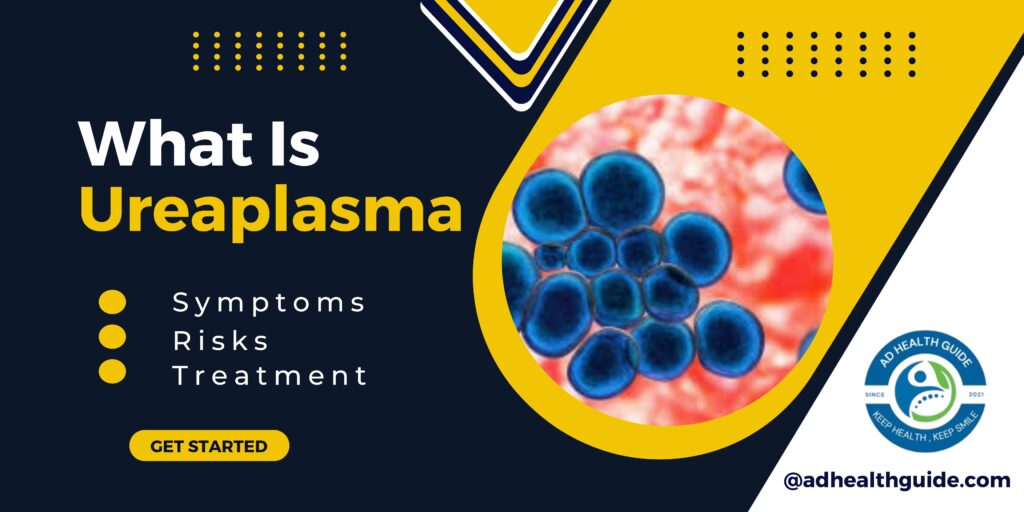
Ureaplasma is a type of bacteria in the Mycoplasma family, one of the smallest self-replicating organisms known to science. It colonizes the urinary and genital tract of a large portion of the population, often without causing any noticeable symptoms.
Two species are clinically relevant:
- Ureaplasma urealyticum (UU) , more strongly linked to urethritis and male fertility issues
- Ureaplasma parvum (UP) , increasingly flagged in IVF outcomes and pregnancy complications (more on this below)
Most people who carry Ureaplasma never know it. A healthy immune system keeps bacterial levels balanced. But when that balance tips, due to immune suppression, hormonal shifts, or other infections, Ureaplasma can become opportunistic.
How Is Ureaplasma Transmitted?
Ureaplasma passes primarily through sexual contact, including genital, oral, and anal sex. It can also be transmitted from mother to newborn during delivery or, in some cases, during pregnancy itself. Prevalence varies significantly by geography and population. Studies suggest up to 80% of sexually active adults may carry some level of Ureaplasma in their lower genital tract, which is exactly why its mere presence doesn’t automatically mean treatment is needed.
Symptoms of Ureaplasma
Ureaplasma often causes no symptoms at all. When it does, the symptoms tend to be indirect, caused by the conditions Ureaplasma helps trigger rather than by the bacteria themselves.
In Women
Bacterial Vaginosis (BV) Ureaplasma raises vaginal pH, making the environment more alkaline. This allows harmful bacteria like Gardnerella vaginalis to take hold, leading to BV. Symptoms include:
- Unusual, fishy-smelling discharge
- Itching or burning around the vagina
- Pain or discomfort during sex or urination
Ureaplasma has also been linked to chronic endometritis (inflammation of the uterine lining) and pelvic inflammatory disease (PID).
Fertility Difficulties Ureaplasma can colonize the upper genital tract, the uterus, fallopian tubes, and ovaries, potentially contributing to tubal factor infertility, where a blockage prevents sperm and egg from meeting. Research findings on this are mixed, and scientists are still working to clarify the relationship.
In Men
Urethritis (Inflammation of the Urethra). Ureaplasma is a recognized cause of nonchlamydial, nongonococcal urethritis. Symptoms may include:
- White or cloudy discharge from the penis
- Burning or pain during urination
- Itching or irritation at the tip of the penis
Reduced Sperm Quality A 2025 systematic review and meta-analysis confirmed that U. urealyticum infection is associated with lower sperm concentrations and reduced sperm motility, both important factors in male fertility.
What’s New: 2025–2026 Research Updates
The science on Ureaplasma has advanced considerably in the past two years. Here’s what’s changed.
Ureaplasma and IVF: A Clearer Picture
A major 2026 study published in Human Reproduction Open found that U. parvum is a negative predictor of IVF success, associated with reduced implantation rates, lower clinical pregnancy rates, and fewer live births. This is one of the clearest connections yet between Ureaplasma and assisted reproductive technology (ART) outcomes. If you’re undergoing IVF or other fertility treatments, this finding is worth discussing with your reproductive specialist.
Recurrent Pregnancy Loss, New Treatment Evidence
A large prospective cohort study published in Fertility and Sterility (December 2025) followed 1,583 patients with unexplained recurrent pregnancy loss (RPL). Patients who tested positive for Mycoplasma or Ureaplasma were treated with a 14-day course of doxycycline (both partners). The study found that treating these infections was associated with improved live birth outcomes, providing the strongest clinical evidence yet that testing and treating Ureaplasma in RPL patients may be worthwhile.
Two Species, Two Different Inflammatory Patterns
A 2025 study in Pediatric Research found that U. parvum and U. urealyticum trigger distinct inflammatory responses in neonates. U. parvum provoked significantly higher levels of IL-6 and IL-8 (key inflammation markers), suggesting it may be the more aggressive of the two species in vulnerable newborns. This distinction matters for how clinicians approach treatment in premature infants.
Preterm Infants: Clearer Risk Profiles
A 2026 review in Frontiers in Pediatrics outlined the latest understanding of Ureaplasma infection risk in preterm infants, including associations with pneumonia, bronchopulmonary dysplasia (BPD), and neonatal sepsis. Early PCR-based identification and prompt treatment are increasingly emphasized as critical to improving outcomes in this group.
Ureaplasma During Pregnancy and in Newborns
Ureaplasma is particularly important to understand in the context of pregnancy, even though its presence alone is common and doesn’t always signal a problem.
Associated pregnancy risks include:
- Preterm premature rupture of membranes (PPROM) , when the amniotic sac breaks too early
- Preterm birth, often as a consequence of PPROM or infection-driven inflammation
- Chorioamnionitis, infection of the uterine contents; Ureaplasma is consistently the most commonly identified bacterium in affected cases
- Pregnancy loss, one study found U. parvum in the placenta of 66.3% of people who experienced pregnancy loss
Risks to newborns are greater when babies are born prematurely. A preterm baby’s immune system may not control Ureaplasma levels the way a healthy adult’s can. Serious complications can include pneumonia, meningitis, and sepsis, as well as the lung development condition bronchopulmonary dysplasia (BPD).
How Is Ureaplasma Diagnosed?
Standard culture methods are unreliable for Ureaplasma. Most clinicians now use PCR (polymerase chain reaction) testing, which detects bacterial DNA directly in a sample. Depending on the clinical picture, samples may be taken from:
- A vaginal, cervical, or uterine swab
- A urine sample
- Amniotic fluid (in pregnancy complications)
- Cerebrospinal fluid (in suspected neonatal meningitis)
Treatment for Ureaplasma in 2026
Not everyone with Ureaplasma needs treatment. Doctors decide based on symptoms, whether you’re pregnant, age, and the specific infection present.
First-line antibiotic options include:
| Antibiotic Class | Examples | Notes |
| Tetracyclines | Doxycycline (100 mg twice daily, 7 days) | First-line for genital Ureaplasma in non-pregnant adults |
| Macrolides | Azithromycin, Clarithromycin, Erythromycin | Alternatively, if doxycycline isn’t suitable, single-dose azithromycin is used in some cases |
| Fluoroquinolones | Levofloxacin, Moxifloxacin | Second-line; used when first-line antibiotics fail |
The growing antibiotic resistance concern
This is a clinically important development in 2025–2026. Research published in the Journal of Applied Microbiology (2025) identified rising global resistance rates across all three antibiotic classes used for Ureaplasma. Macrolide resistance, in particular, has been flagged; single-dose azithromycin has been shown to drive resistance mutations, and treatment failure rates may affect up to 25% of patients in some populations.
A 2025 Mayo Clinic study compared levofloxacin, azithromycin, and doxycycline in Ureaplasma lung infection models. Doxycycline remained broadly effective, except against doxycycline-resistant strains, while azithromycin and levofloxacin each covered specific resistance gaps.
What this means for patients: If initial treatment doesn’t work, your doctor may order susceptibility testing before prescribing a second antibiotic. Don’t assume one antibiotic failure means your infection can’t be treated; it usually can, with the right choice.
Other Conditions Under Investigation
Research is still active on several possible Ureaplasma connections:
- Prostatitis, Some studies link Ureaplasma to calcification and chronic prostate inflammation, though evidence isn’t definitive
- Endometriosis, Early animal studies suggested Ureaplasma promotes uterine inflammation that may contribute to endometriosis, but human data is still lacking
These areas are worth watching, but current evidence isn’t strong enough to recommend routine Ureaplasma testing for either condition.
Prevention
Ureaplasma is common, and you can’t always prevent exposure. However, the following reduce transmission risk and support genital health overall:
- Use barrier protection (condoms) during sex
- Clean sex toys before and after use
- Get regular STI testing, especially with new or multiple partners
- Avoid vaginal douching, as it disrupts the natural bacterial balance
- Skip fragranced or antibacterial genital products; a 2021 report confirmed that most soaps alter vaginal pH, raising BV risk; lactic acid-based gels are an exception
- Wear breathable underwear and change out of damp clothing promptly
When to See a Doctor
See a doctor if you have:
- Unusual genital discharge, odor, burning, or itching
- Painful urination
- Unexplained fertility difficulties or recurrent pregnancy loss
- A premature baby or a pregnancy with known risks
If you’re pregnant, immunocompromised, or concerned about a newborn, seek medical attention promptly rather than waiting to see if symptoms resolve.
Summary
Ureaplasma is a very common bacteria that most healthy adults carry without issue. In certain circumstances, particularly pregnancy, assisted reproduction, and in premature newborns, it can cause significant complications. New research in 2025–2026 has strengthened the evidence linking Ureaplasma parvum to poor IVF outcomes and to improved live birth rates with treatment of Ureaplasma in recurrent pregnancy loss. Treatment with antibiotics is effective for most people, though growing antibiotic resistance means the choice of treatment is increasingly important. Always work with a healthcare provider for diagnosis and a tailored treatment plan.
Note:
This article is for informational purposes only and does not constitute medical advice. Always consult a qualified healthcare professional for personal medical decisions.
FAQ’s
Q1. Can Ureaplasma go away on its own?
Yes, in most people it does. A healthy immune system keeps Ureaplasma at harmless levels without treatment. Antibiotics are only needed if it’s causing symptoms or complications such as urethritis, BV, or fertility problems.
Q2. Is Ureaplasma an STI?
Not exactly. Ureaplasma can be sexually transmitted, but it’s also found in people with no sexual exposure, including newborns. Unlike classic STIs such as chlamydia, most carriers never develop symptoms or require treatment.
Q3. Can Ureaplasma affect getting pregnant?
Yes, it can. Ureaplasma, particularly U. parvum, has been linked to lower IVF success rates, tubal factor infertility, and recurrent pregnancy loss. A 2025 clinical study found that treating Ureaplasma in couples with unexplained pregnancy loss improved live birth outcomes.
Q4. What happens if Ureaplasma is left untreated?
If asymptomatic, often nothing. But untreated Ureaplasma causing active infection can lead to pelvic inflammatory disease, reduced sperm quality, pregnancy complications, or, in premature newborns, pneumonia and sepsis.
Q5. How long does Ureaplasma treatment take?
Typically, 7 days of doxycycline (100 mg twice daily) clears most cases. Both partners should be treated simultaneously. If the first antibiotic fails, which happens in roughly 8-25% of cases due to rising resistance, a doctor may switch to azithromycin or levofloxacin based on test results.